


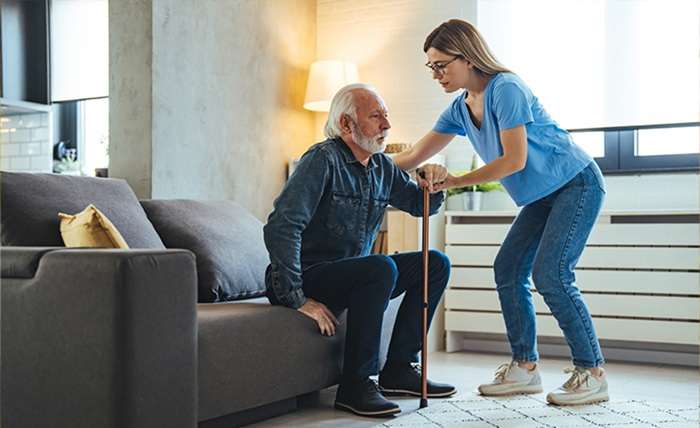
For many professionals living or working in the Grand Strand area, a sudden shift in a parent’s health creates an immediate crisis of logistics. The tension between maintaining a career trajectory and ensuring a parent is safe at home often leads to “caregiver burnout,” a state where the adult child becomes physically and emotionally exhausted, often resulting in unplanned leaves of absence or diminished productivity at work.
The challenge in Myrtle Beach is unique. While the region is known for its leisure and tourism, the infrastructure for aging in place requires a strategic approach to avoid the common pitfall of the “sandwich generation”—those squeezed between raising children and caring for aging parents.
The Hidden Cost of Unmanaged Caregiving
When a family member begins to struggle with activities of daily living (ADLs)—such as bathing, dressing, or medication management—the default reaction is often for a family member to step in. However, doing this without a professional framework usually leads to several systemic failures.
First, there is the “productivity gap.” Employees who act as primary caregivers without support often see a decline in their professional performance, not because of a lack of skill, but because of constant interruptions and the mental load of coordinating medical appointments.
Second, the relationship between the child and the parent often shifts from emotional support to managerial oversight. When a daughter becomes her mother’s full-time nurse and scheduler, the quality of their relationship often suffers, replacing affection with the stress of chore management.
To avoid these outcomes, families are increasingly moving toward a hybrid model of care that blends family involvement with professional oversight.
Implementing a Sustainable Support System
Transitioning to a professional support system allows family members to return to the role of the “daughter” or “son” rather than the “care coordinator.” The goal is to create a safety net that ensures the senior remains independent while the professional caregiver handles the high-risk tasks.
Assessing the Level of Need
Before hiring help, it is essential to categorize the needs of the senior. Are they facing cognitive decline, such as dementia or Alzheimer’s, or are they dealing with physical limitations from arthritis or surgery recovery?
For those in the coastal region, finding reliable home care Myrtle Beach SC allows families to outsource the most taxing physical requirements—like mobility assistance and meal preparation—while the family focuses on the emotional and social well-being of their loved one.
Creating a Care Schedule
A sustainable plan avoids the “on-call” mentality. Instead of waiting for a crisis to happen, families should implement a structured schedule:
- Core Hours: Professional caregivers handle the morning routine and medication administration.
- Social Windows: Family members schedule specific “quality time” blocks that are not dedicated to chores or medical appointments.
- Emergency Protocols: A clear chain of command is established so the working professional knows exactly who to call first if an incident occurs during office hours.
Reducing the Risk of Senior Isolation
One of the greatest risks for seniors in South Carolina is social isolation, which can accelerate cognitive decline and lead to depression. Even with professional care, a senior needs meaningful engagement.
Professional caregivers do more than provide physical assistance; they provide companionship and mental stimulation. By integrating a professional into the home, the senior gains a consistent social interaction that prevents the loneliness often felt when children are at work. This mental stimulation is a critical component of prolonging independence and delaying the need for more restrictive residential facilities.
Long-Term Financial and Emotional Sustainability
The financial decision to invest in home care is often weighed against the cost of assisted living. However, the “hidden” cost of not having home care is the potential loss of income for the family caregiver. When a professional manages the daily needs, the adult child can remain in the workforce, maintaining their own retirement savings and career progression.
Ultimately, the transition to professional support is not an admission of failure or a lack of love. Rather, it is a strategic decision to preserve the family unit. By delegating the logistical and physical burdens of care, families can ensure their elders age with dignity in their own homes while the rest of the family maintains their own mental health and professional stability.